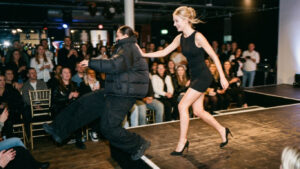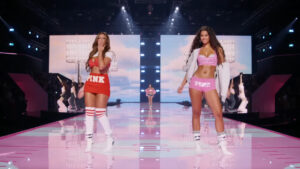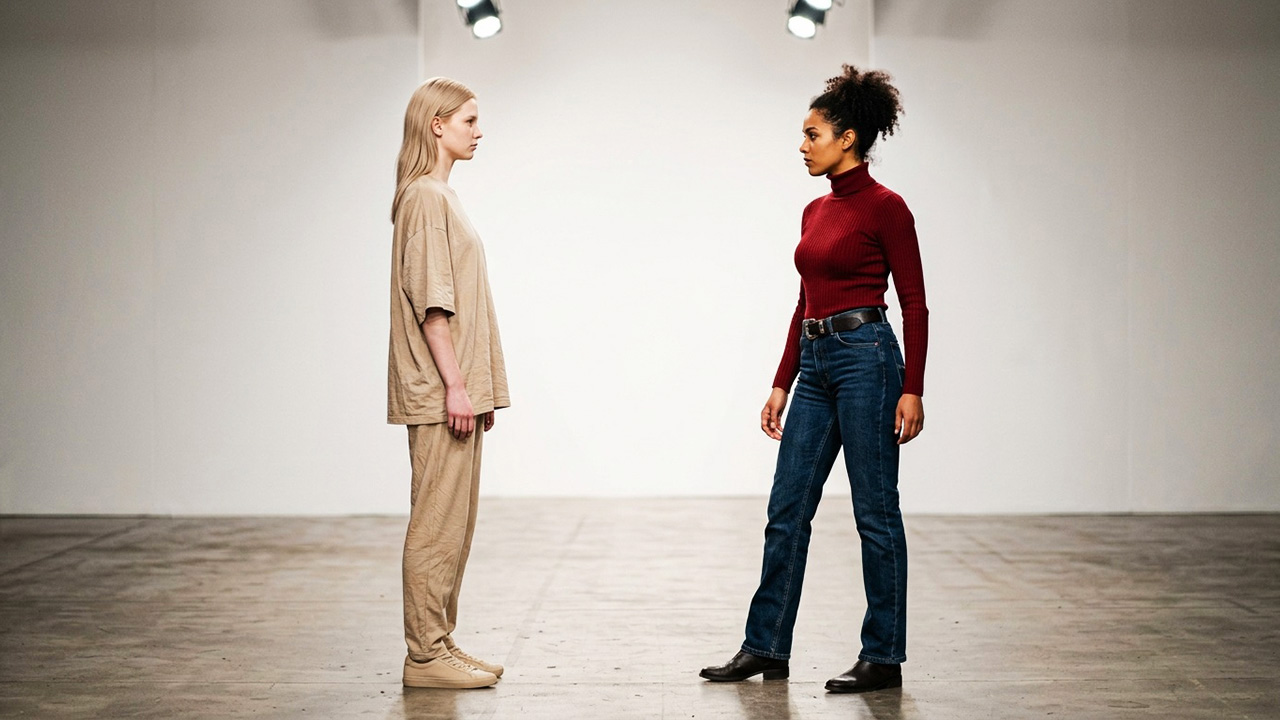
Recently, we wrote about how the oversized aesthetic is “deflating” and losing popularity after several years of dominating the mainstream fashion market. Not everyone has noticed it yet, but a similar trend is emerging with so-called “quiet luxury” — an aesthetic defined by extremely understated, neutral and predominantly beige looks.
The editors of Fashion Illiteracy decided to take a closer look at what is happening on the world’s runways and explain why “beige” minimalism is by no means a sign of good style.
How “Quiet Luxury” Replaced “Loud” Branding
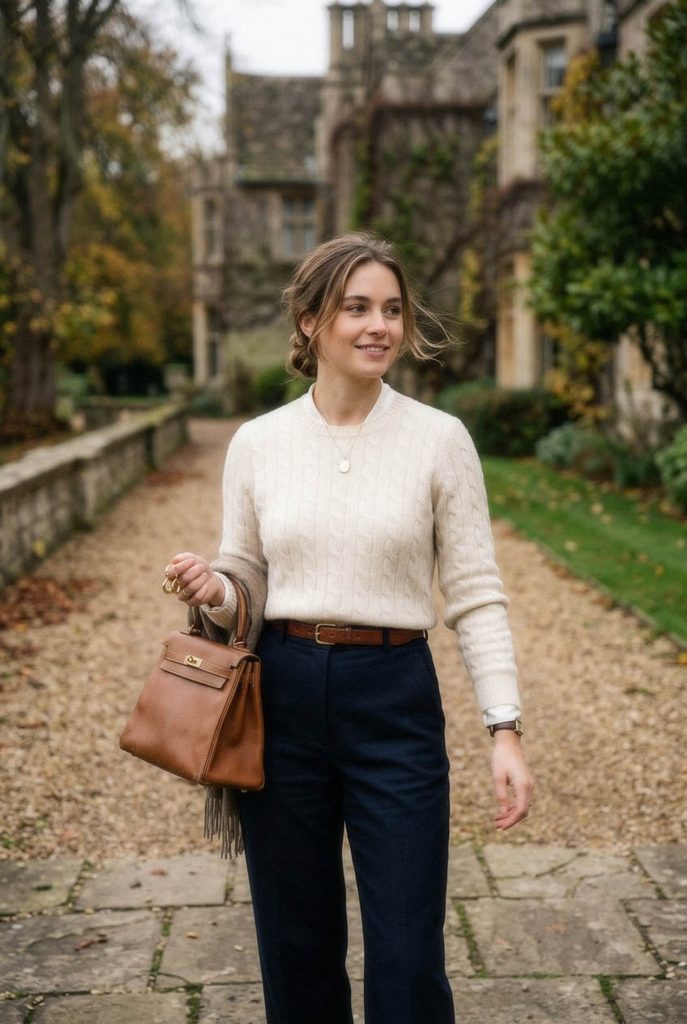
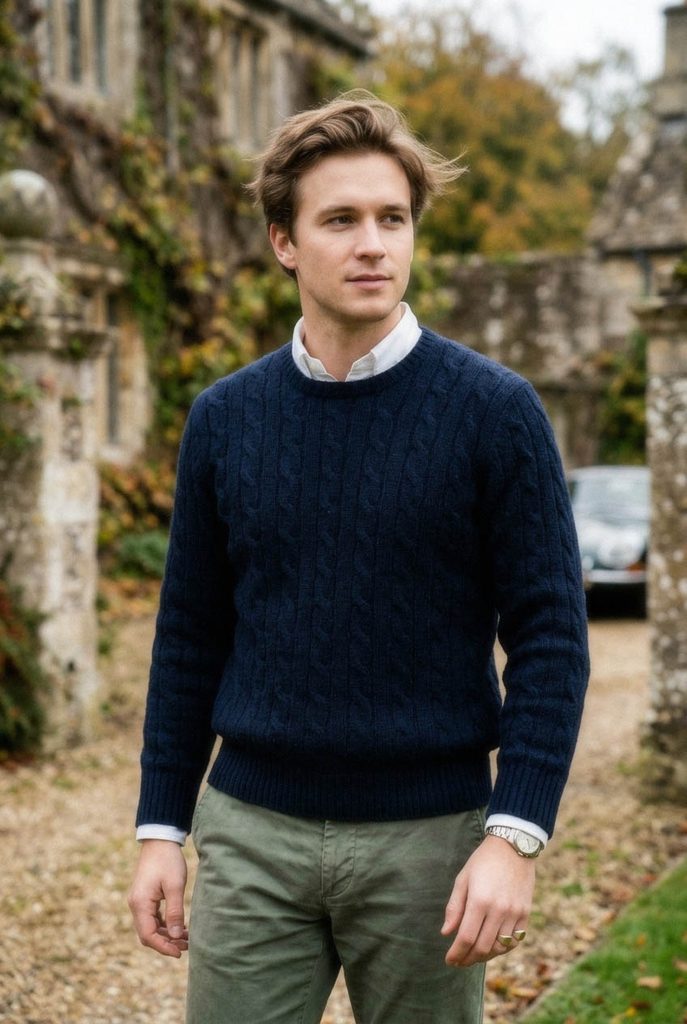
To begin with, it is worth looking at where the Quiet Luxury aesthetic came from in the first place. The style is characterized by an absence of visible fashion logos and an avoidance of overly flashy looks.
At one point, the fashion world grew tired of large and conspicuous logos. People once used prominent labels and signature fashion-house patterns to signal that they were wearing designer fashion. Eventually, however, this came to be seen as tacky and a sign of poor taste.
The Old Money aesthetic, inspired by the British aristocracy, gained popularity first. The style conveyed wealth and confidence through understated clothing. Polo shirts, elegant sweaters, plain trousers and shorts, coats and similar pieces all became part of the look.
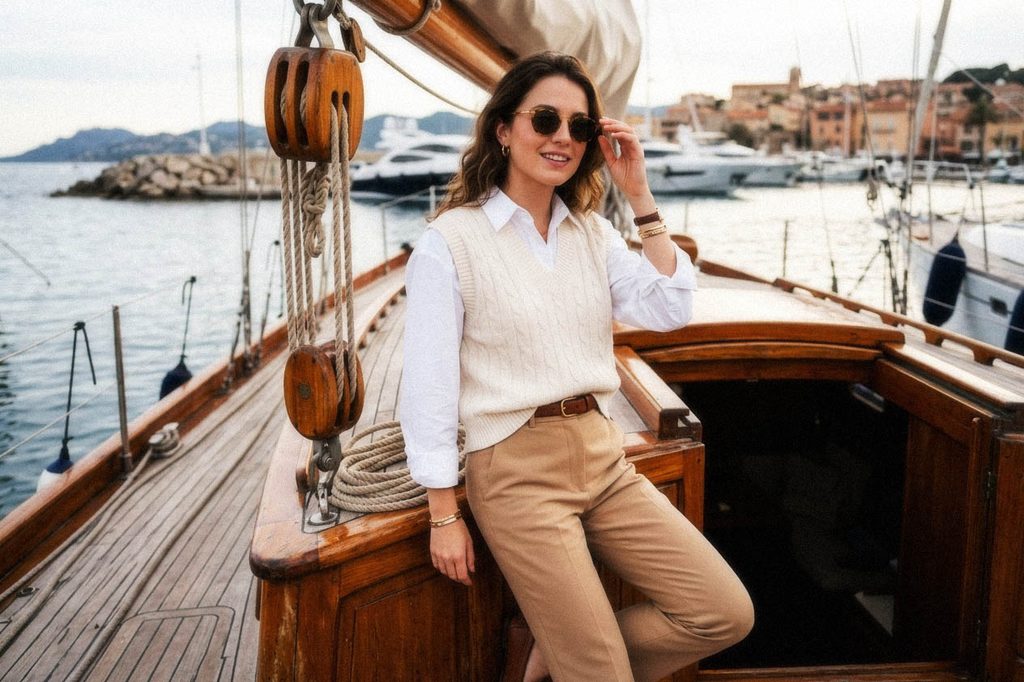
Over time, the Old Money trend evolved into the much more restrained concept of Quiet Luxury. Its central idea was simple: high-quality clothing without visible branding or excessive visual impact.
Cashmere sweaters and shades of cream, brown, graphite, beige, muted blue and charcoal became staples of the aesthetic. Initially, this approach was about refinement and understated taste. But in the hands of fast-fashion enthusiasts, it soon evolved into something far less distinctive.
Minimalism Went Too Far
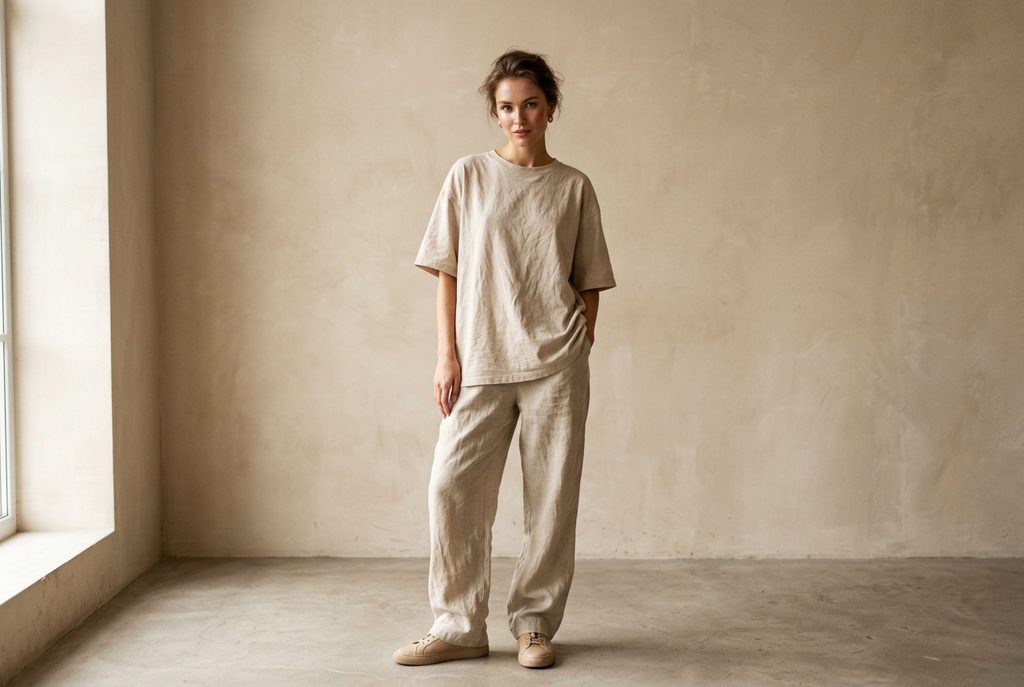
Many people took the rejection of bright colors too literally, while inexperienced “fashion” influencers on social media only fueled the trend. As a result, an entire offshoot of the aesthetic emerged in the form of sterile minimalism.
It was characterized by sportswear-inspired outfits with plain trousers and matching tops, shirts and sweaters paired with trousers and shoes in the same colors, virtually no statement accessories, and an excessive reliance on minimalism combined with the oversized silhouettes mentioned above.
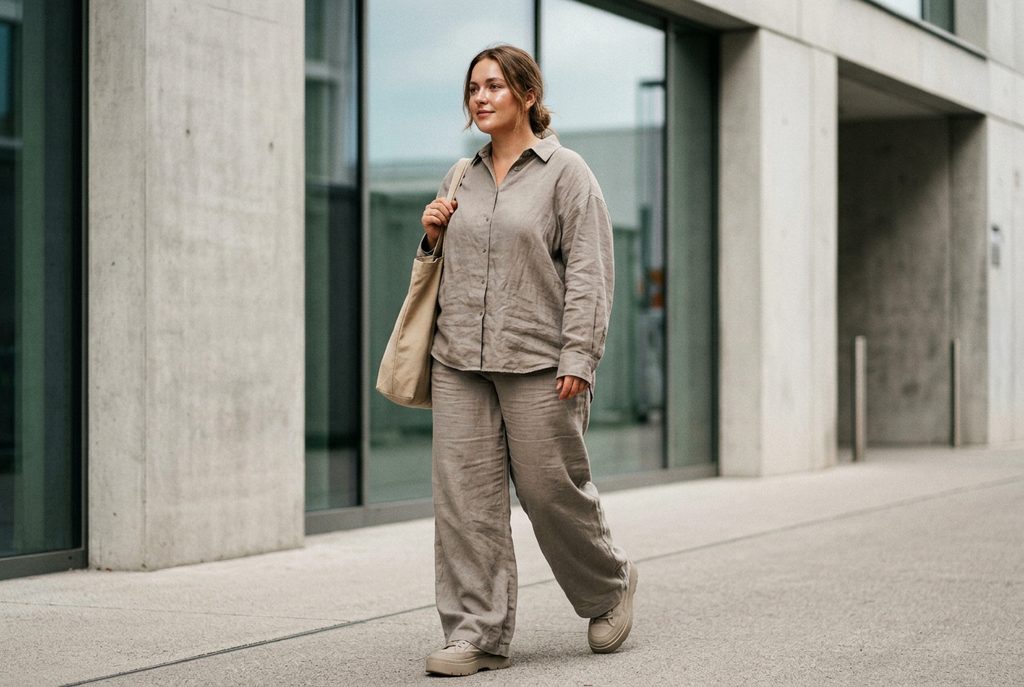
What began as a good idea — removing visible logos — eventually turned into a sea of faceless outfits, with virtually nothing to catch the eye. Moreover, while such looks could once be presented as exclusive, their widespread popularity online eventually made them blend into the background.
A restrained wardrobe built around high-quality, timeless pieces will always remain relevant. However, the way this aesthetic has been styled and presented in recent years has resulted in looks that simply fail to stand out.
A Return to Texture and Bold Accents
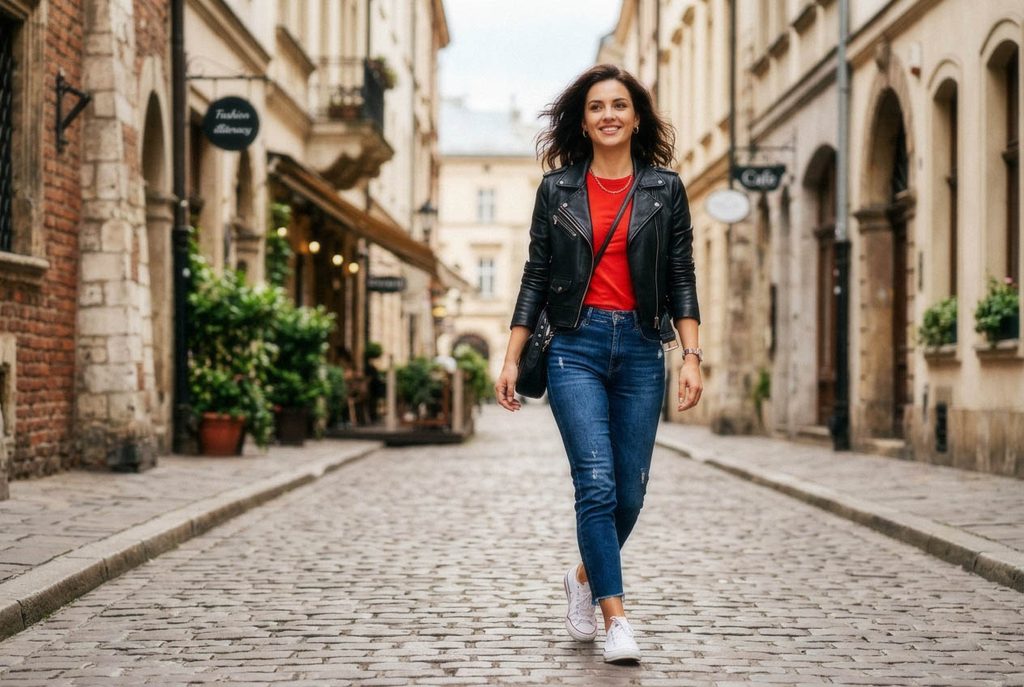
The growing fatigue with beige and gray minimalism has prompted major fashion houses to place greater emphasis on rich textures, deeper colors and more expressive materials.
This does not mean that oversized logos or excessively “loud” prints are making a comeback. However, the fashion industry is already showing a clear trend toward denim, textured leather and statement knitwear. Outfits are becoming more vibrant, with stronger visual accents. Accessories and defined silhouettes are once again becoming an essential part of a well-styled look.
Fashion is going through yet another transformation, gradually moving away from the very things that many stylists still consider modern and relevant.
As a reminder, we previously shared 20 stylish ways to wear a bandana. Follow our Facebook page for more up-to-date fashion content.