Most eyewear advice starts with the face and works backward. Find your shape, then find the frames that supposedly correct it. That leaves out the person who already likes angular frames and wants to know whether they can wear them. Angular frames suit a wider range of faces than the standard guides allow, and the deciding factor is usually not face shape at all.
This guide covers:
- What angular frames do to facial proportion, and why contrast is the principle
- Which faces they flatter most, and which need a modified version
- Why bridge fit and frame width decide more than shape does
- How to test a pair properly before buying
At a Glance
| Takeaway | Detail |
|---|---|
| Contrast is the principle | Straight lines read as structure against soft features, so rounder faces gain definition |
| Round faces gain the most | Horizontal lines break up curved cheeks and add visual length |
| Oval faces have most latitude | Balanced proportions make sizing matter more than silhouette |
| Strong jawlines need a modified version | Softened corners and thinner rims avoid repeating the jaw |
| Frame width beats frame shape | A front matched to cheekbone width looks right even when the shape should not |
| Bridge fit is the silent failure | Sliding frames are a bridge problem, not a shape problem |
What an Angular Frame Actually Does to a Face

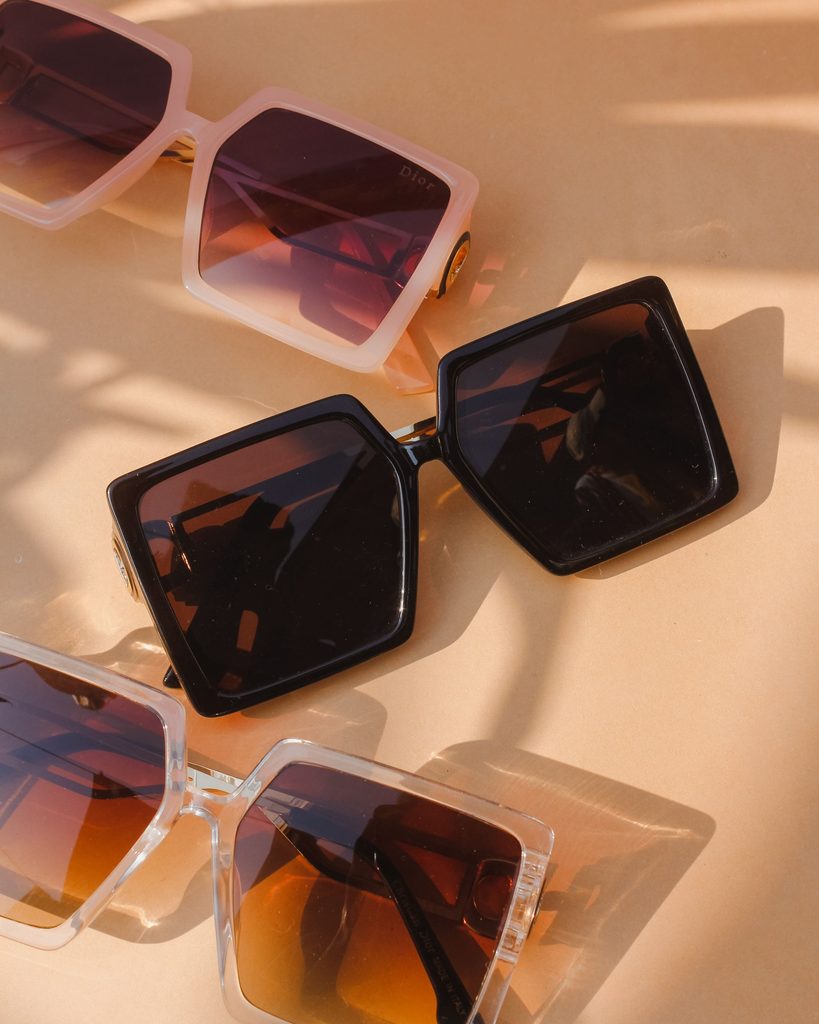
An angular frame introduces two strong horizontal lines and four defined corners into a face that may not have any. That is the entire mechanism. The top rim sits parallel to the brow and creates a second, firmer browline, while the outer corners extend the visual width of the upper face. Everything else follows from those two effects.
The practical consequence is contrast. A face with rounded cheeks and a soft chin has few straight lines of its own, so the frame supplies them and the eye reads the result as more defined. Optical dispensers call this adding architecture, which is why one frame looks severe on one person and composed on another. Round faces gain the most, since the added horizontals also lengthen the face.
Oval faces sit in a different position. The proportions are already balanced, so the frame corrects nothing and almost any angular silhouette is available. Heart-shaped faces benefit for a third reason: a wider upper frame line anchors a tapered jaw and stops the chin from looking sharper than everything above it. Retailers merchandise around this logic now, and collections of square sunglasses that add structure to softer features assume shoppers want contrast rather than a match.
The effect scales with rim thickness. A thin metal square adds structure quietly. A thick acetate square in a dark colour adds a great deal at once, which on a small face tips from definition into dominance.
Who Needs the Modified Version

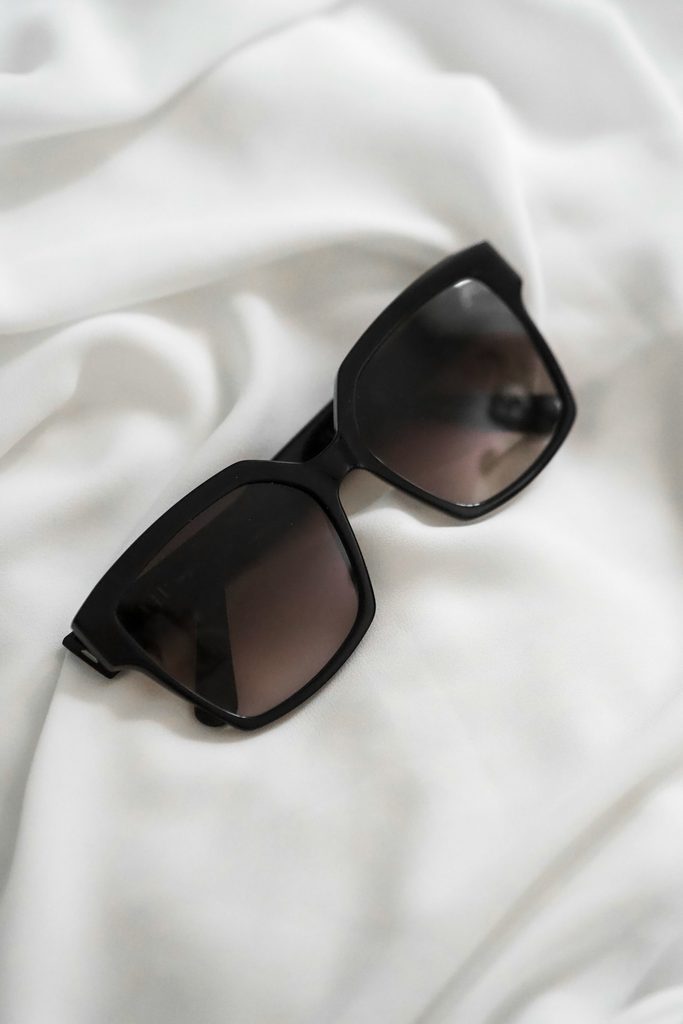
Faces with a strong, level jaw and a broad forehead already contain the lines an angular frame supplies. A sharp-cornered square on top of that repeats the geometry rather than balancing it, which is why most guides tell this group to avoid the shape. That advice is more absolute than it needs to be. The problem is corner radius and rim weight, not the category.
A square frame with softened corners, a gently curved top rim, or a thinner profile delivers the angular look without doubling the jaw’s existing structure. Browline styles work the same way, concentrating weight along the upper rim and pulling attention away from the jaw. Anyone who has watched a customer work through six frames in a shop knows the tell: the pairs that fail on a square face have a hard ninety-degree corner and a heavy rim, not merely a square outline. Brands including Quay list rim weight alongside shape for this reason.
Diamond and triangular faces sit between the two groups. Wide cheekbones with a narrower forehead respond well to a frame that adds width up top, provided the frame front stops before the widest point of the cheeks. Past that, it competes with the cheekbones instead of balancing them.
The shortcut is simple. Check whether the frame’s corners are sharper than the angles already in the face. If they are, soften the frame rather than abandon the shape.
Why Fit Decides More Than Shape
Two people with identical face shapes can wear the same angular frame and get opposite results, and the variable is almost always fit. Frame width against cheekbones, bridge geometry against the nose, and lens depth against brow-to-cheek distance do more visible work than the silhouette. A well-fitted square on a square face beats a badly fitted round one. Shoppers rarely hear this, because shape guides are easier to write than fit guides.
Bridge fit causes the most misdiagnosed failures. A bridge cut for a higher nose profile slides down on someone with a lower one, sitting too far from the brow and cutting across the cheeks. The wearer reads that as the wrong shape when it is the wrong bridge. Filtering by fit type as well as silhouette isolates it before purchase, and sites where Quay carries angular and rounded frames side by side let a shopper compare the same bridge specification across both.
| Fit signal | What it usually means | What to change |
|---|---|---|
| Frames slide down within minutes | Bridge too wide or cut too high for the nose | Low bridge fit or adjustable nose pads |
| Lenses rest on the cheeks when smiling | Lens depth exceeds brow-to-cheek distance | Standard coverage rather than oversized |
| Gap between temple arm and head | Frame front wider than the face | A smaller size or narrower coverage |
| Temples press in behind the ears | Frame front narrower than face width | A larger size, not a different shape |
| Eyebrows sit fully above the top rim | Frame is sitting too low | Higher bridge placement or deeper lens |
How to Test a Pair Before Committing
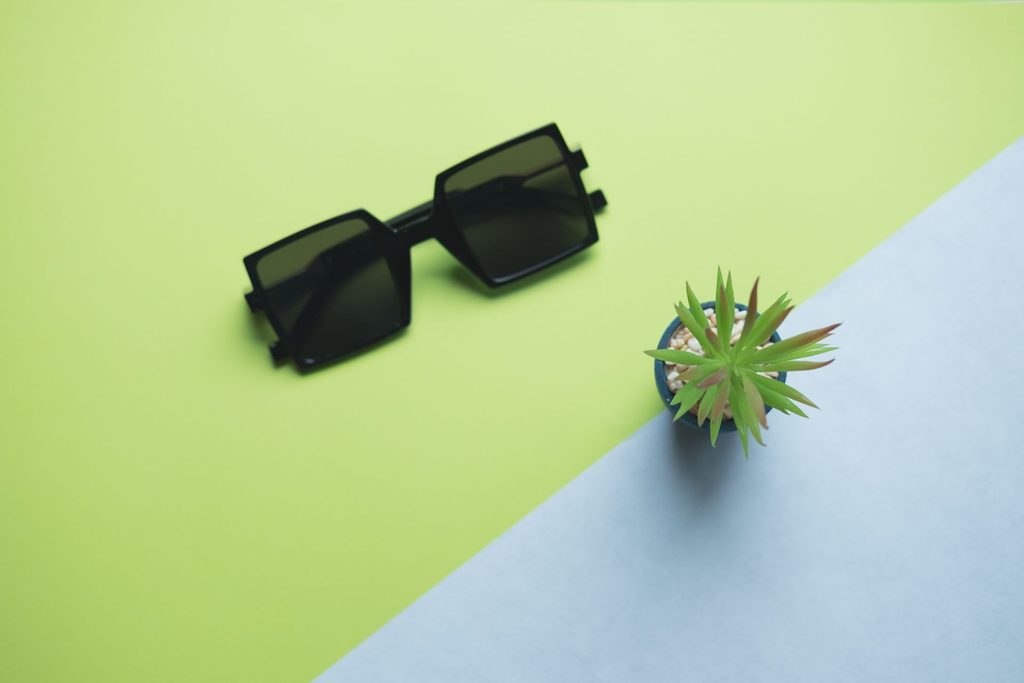
Put the frame on, then stop looking at it. Look at the face instead, and at whether the eyes still read as the focal point. Frames that overwhelm a face pull attention to their own outline, which becomes visible within seconds once someone knows to check. It beats deciding in advance which shapes are permitted.
Photograph the frame straight on rather than judging in a mirror, since mirrors invite people to angle toward their flattering side. Check that the frame front stops within a few millimetres of the widest point of the face, and that the top rim follows the brow rather than cutting across it.
Comfort deserves equal weight. Research published by The Vision Council in 2026, from a survey of 607 American adults who do not wear sunglasses, found three quarters of them had worn sunglasses before and stopped. A frame that looks correct and feels wrong after twenty minutes ends up in a drawer.
The Short Version
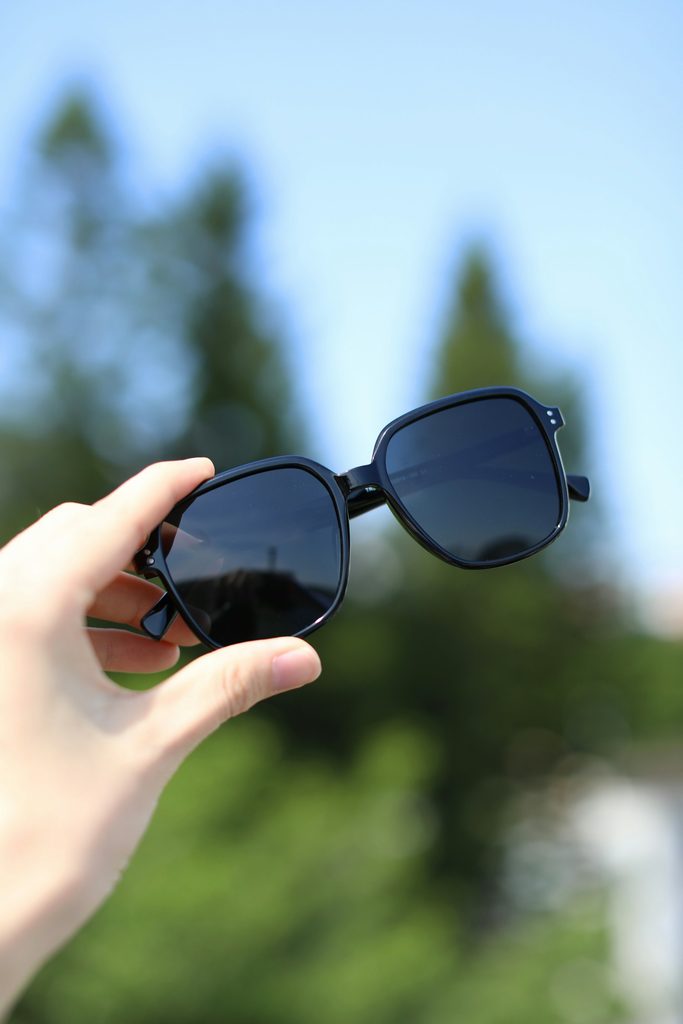

Angular frames suit rounder, softer, and more balanced faces most directly, because straight lines supply contrast those faces lack. Faces with strong existing angles are not excluded, they need softened corners and lighter rims. Past that, fit determines the outcome more reliably than shape.
Key Takeaways
- Match the frame front to the widest point of the face before considering shape at all
- If a square frame feels severe, switch to rounded corners or a thinner rim rather than abandoning the shape
- Check bridge fit separately from silhouette, since sliding frames are usually a bridge problem
Face shape is a useful first filter and a poor final answer. Anyone told to rule out a whole frame category because of their jawline has half the picture, and the missing half is measurable.
Frequently Asked Questions
Round and oval faces pair with square frames most easily. Round faces gain definition from the straight lines and added width, while oval faces carry most square silhouettes comfortably. Heart-shaped faces work too, since a wider upper frame line offsets a narrower jaw. Other shapes need softer corners.
Yes, and this is the pairing most style guides agree on. A round face has few straight lines of its own, so the frame’s horizontal top rim and defined corners supply contrast that reads as structure. The added width also lengthens the face slightly.
They can, with one adjustment. Frames with softened corners and moderate rim thickness deliver the angular look without repeating the jawline’s geometry. Sharp ninety-degree corners with heavy acetate are what make the pairing read as severe. Browline styles shift visual weight upward.
Measure four things in a mirror: forehead width, cheekbone width, jaw width, and length from hairline to chin. If the three widths are close and the face is not much longer than wide, it is likely square. If cheekbones are widest and the face is longer than wide, it leans oval.
Round, oval, and softly curved aviator frames are the standard recommendations, because their curves contrast with a strong jawline rather than echo it. Thinner metal and rimless styles come up for the same reason. These are guidelines rather than rules, and a rounded-corner square often works too.
Contrast is the conventional approach, since opposing lines create balance and stop a face’s dominant features being repeated. Matching is not automatically wrong. Pairing a square frame with a square face on purpose gives a bolder, more architectural result. The goal decides: balance or emphasis.