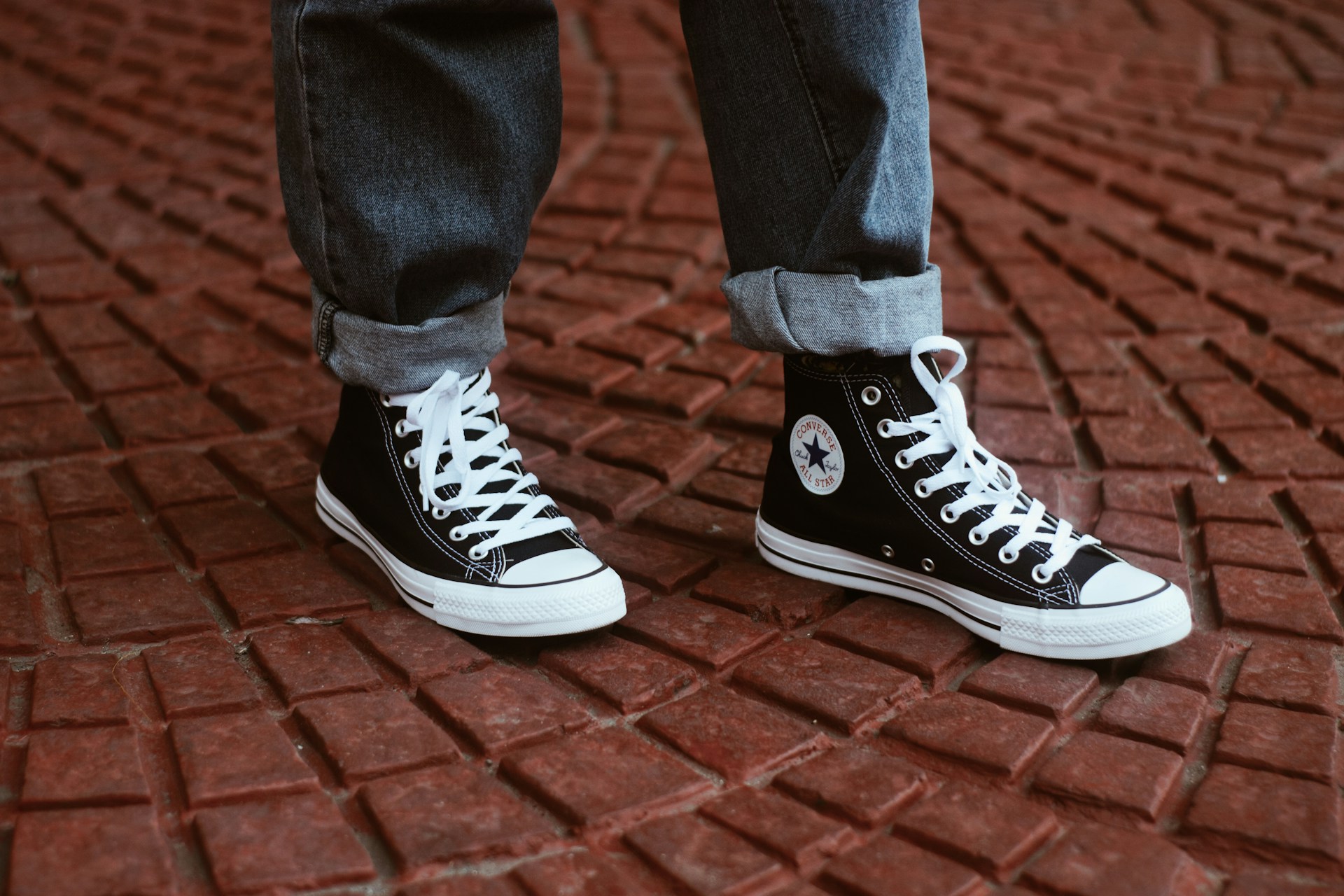
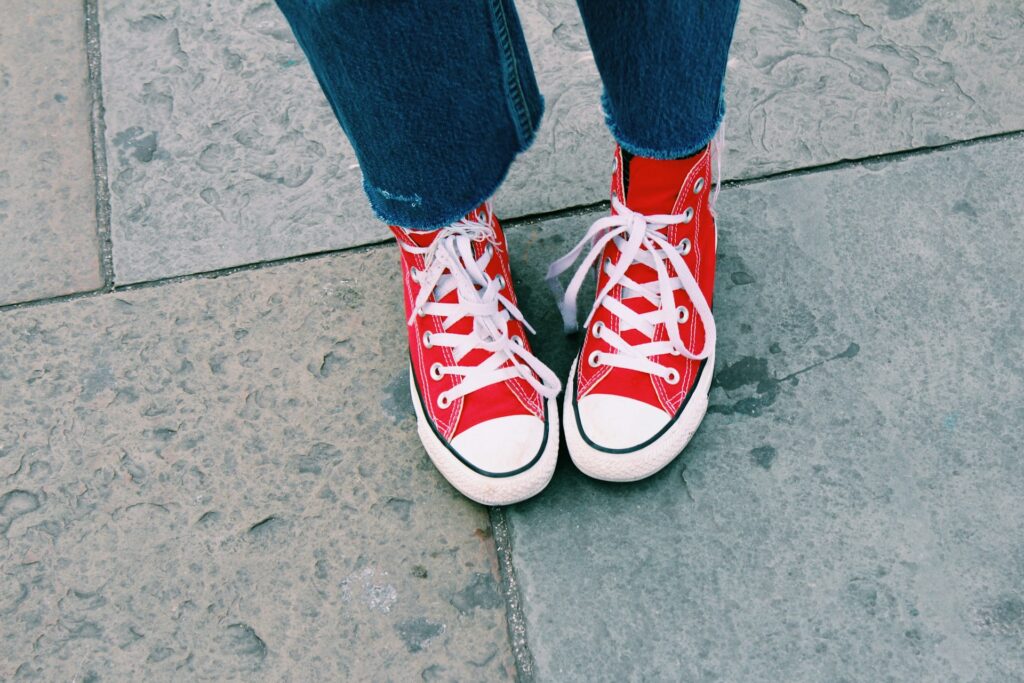
Converse sneakers are among the most recognizable and popular shoes in the world. The iconic All Star model has become a true classic—timeless, versatile, and stylish enough to complement any mood or outfit.
The brand’s journey has been anything but simple. From weathering periods of decline to filing for bankruptcy twice, Converse has evolved from a niche basketball shoe into a global fashion powerhouse. The editors at Fashion Illiteracy have compiled 17 fascinating facts from the storied history of Converse.
In this article:
- The Founding of the Company
- Early Production: Galoshes and Tires
- The Debut of the All Star
- Chuck Taylor: The Face of the Franchise
- The First Bankruptcy
- Military Boots
- Dominance in the NBA
- The Introduction of New Colors
- Hollywood and Youth Culture
- Subcultures
- Low-Tops and New Materials
- Competitive Struggle
- The Second Bankruptcy
- The Nike Acquisition
- The World of Counterfeits and Replicas
- Labor Criticism and Corporate Responsibility
- Current Status
The Company Opened in 1908
The founder, Marquis Converse, previously worked as a manager at a Boston shoe factory. He decided to open his own manufacturing facility in Malden, Massachusetts, naming it the Converse Rubber Shoe Company. Production officially began in 1909.
The First Products Were Galoshes
In its early years, the company specialized in rubber-soled winter footwear, including galoshes. They even produced car tires. Production ramped up quickly; within two years, the factory was churning out 4,000 pairs of shoes a day.
All Star Sneakers Debuted in 1917
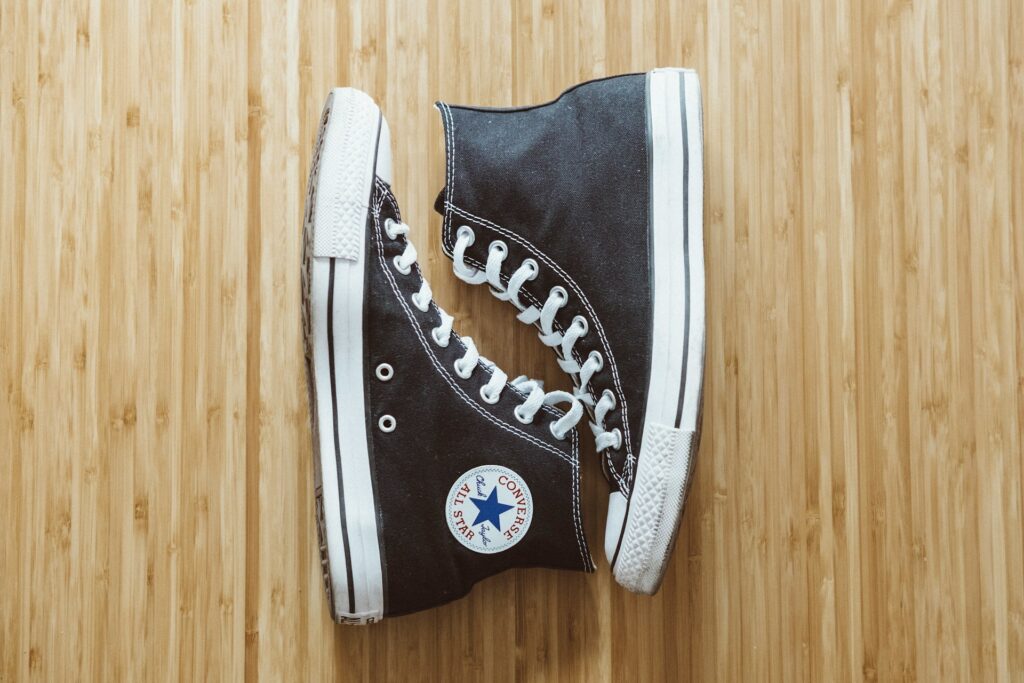
In 1916, Converse turned its attention to performance footwear for basketball. By 1917, they introduced the All Star—the model that remains the flagship of their lineup to this day.
Chuck Taylor: The Face of the Franchise
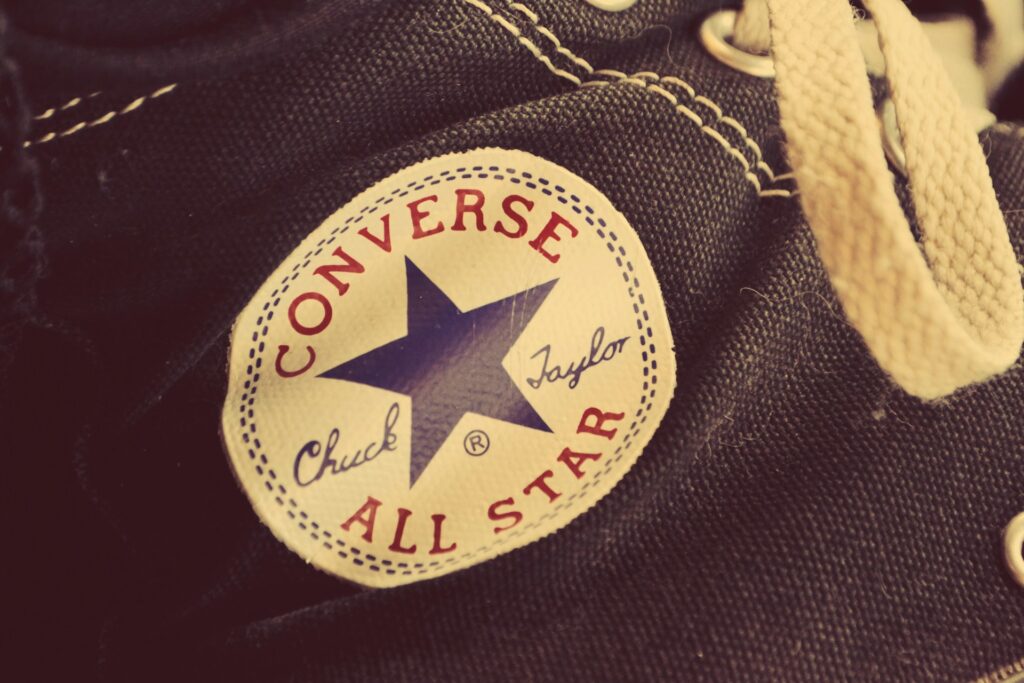
Charles Taylor, a player for the Akron Firestones, began wearing “Converse” on the court. In 1918, he received a promotional pair as a gift, and by the 1920s, he became an official partner of the brand. In 1932, his signature was added to the ankle patch, and the model was officially named the Chuck Taylor All Star.
The First Bankruptcy in 1929
Despite their popularity among athletes, the Great Depression and other economic pressures forced the company into bankruptcy in 1929. The brand changed hands several times before being purchased by the Stone family, who successfully stabilized the firm for several decades.
Converse Produced Military Boots During WWII
In the 1940s, production shifted toward military gear. Converse developed specialized boots for American pilots and even released a “Victory Garden” collection.
All Stars Were the Primary Choice for the NBA
In 1949, when several professional leagues merged to form the National Basketball Association, the vast majority of players wore Converse sneakers on the court. At that time, they were the undisputed kings of the hardwood.
Bright Colors Sparked a New Wave of Popularity
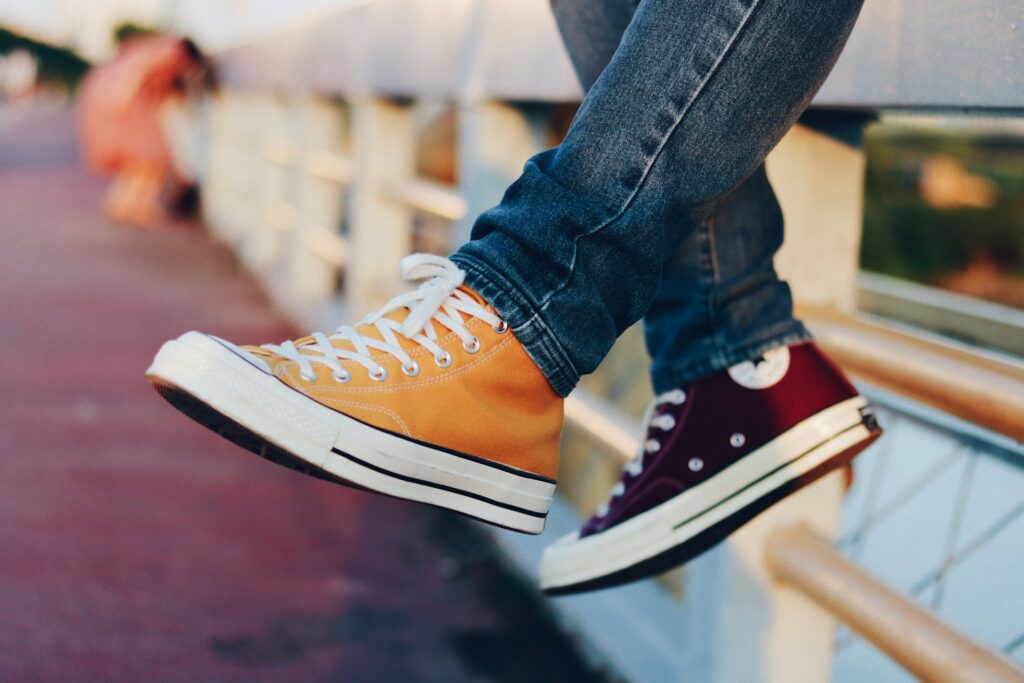
Before the war, Converse sneakers were produced almost exclusively in black. Responding to consumer demand, the company eventually introduced new colors, which significantly boosted their appeal (more modern color palettes were formally introduced in 1971).
Hollywood Took Sneakers Off the Court
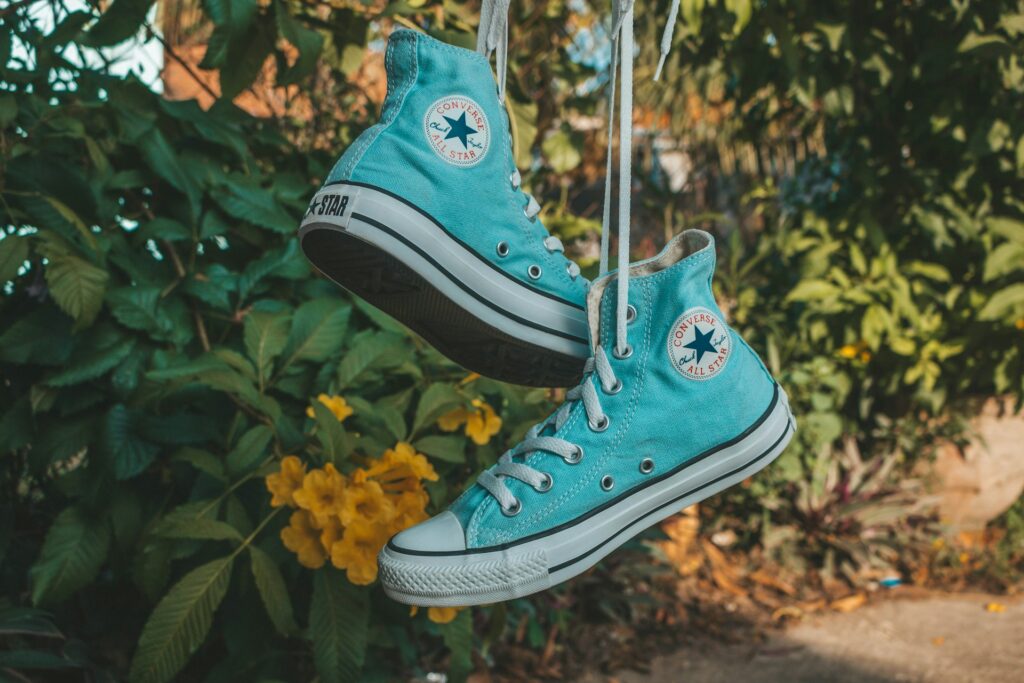
While the sneakers were once seen strictly as athletic equipment, the arrival of new colors turned them into a street-style staple. Hollywood played a major role; one of the most famous moments was a magazine photoshoot featuring James Dean in white Converse. By the 1950s, the sneakers became a symbol of “cool” for teenagers worldwide.
Punks, Hippies, and Skaters

Later, the sneakers were adopted by hippies and various subcultures, including punks and rockers. Converse also became a favorite for the burgeoning skateboarding community due to their flat soles, durability, and raw aesthetic appeal.
Low-Tops and New Materials

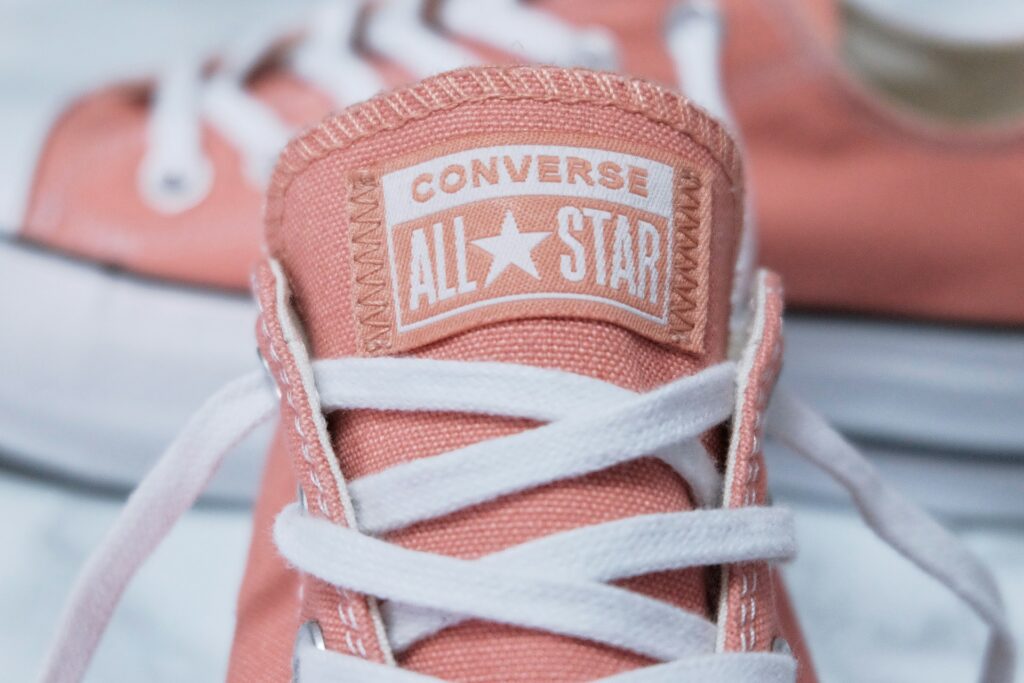

In the 1960s and 70s, the company expanded into clothing and accessories. During this period, employee Jim Labadini created the famous Star Logo. The “Oxford” (low-top) version of the All Star was released, and leather and vinyl options were added alongside the classic canvas.
Losing the Competitive Edge
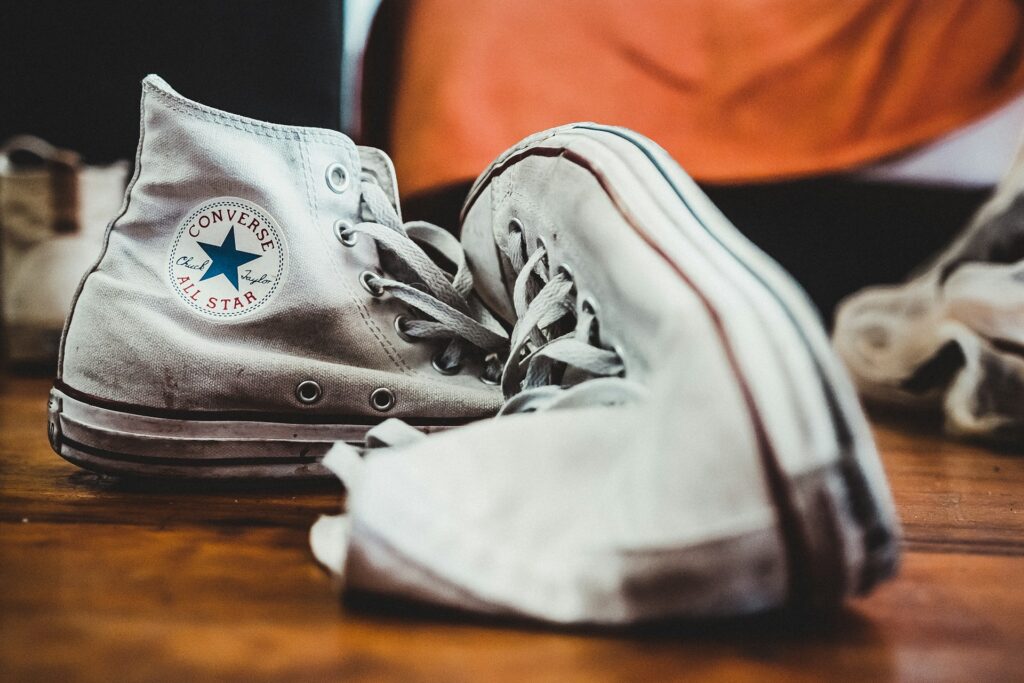
Although the brand held a dominant position in basketball for years and resonated with athletes, rebels, and subcultures alike, its monopoly was eventually lost. Over time, the firm changed hands several times and made various attempts to innovate. However, the emergence of newer models from Nike, the iconic Adidas and Puma (whose histories we have previously covered), and especially Reebok, pushed the relatively simple and conservative Converse designs out of the professional sports spotlight.
Second Bankruptcy in 2001
Throughout the 1990s, the company faced multiple bankruptcy proceedings due to mounting debt. On January 22, 2001, under the ownership of ApexOne, bankruptcy was officially declared. The company was purchased by Footwear Acquisitions, leading to a massive restructuring: all U.S.-based factories were closed and production moved overseas.
Nike Acquired the Converse Brand

In 2003, industry giant Nike purchased the brand for $309 million to revive it. They built a massive new headquarters in the heart of Boston. Under Nike’s wing, Converse began developing new models while implementing modern comfort updates to their classic designs. You can explore the modern releases on the official Converse website.
Numerous Counterfeits and Replicas
The All Star has become so globally iconic that it evolved into its own category of footwear, leading many companies to copy the design. For instance, Soviet-era gym sneakers almost literally mirrored the Chuck Taylor silhouette. The same can be said for countless modern replicas where Converse designs are easily recognizable.
In the 2000s, the brand filed lawsuits against over 30 companies that, according to Converse representatives, were infringing on their copyrights. These legal battles involved long-standing disputes over which specific elements could truly be considered proprietary. Despite these efforts, similar-looking sneakers continue to be actively produced to this day.
Factory Labor Criticism

The scandal regarding overseas labor conditions did not spare Converse. In 2011, reports surfaced regarding the mistreatment of workers at third-party manufacturing sites in Indonesia. Nike responded that while they held contracts with these factories, they lacked direct control over the internal management of facilities they did not own, though they committed to improving oversight.
A Timeless Classic Status

Despite its turbulent history, Converse has found long-term stability as a Nike subsidiary. While revenues fluctuate—projected at $1.69 billion in 2025—the brand remains a cultural icon.
In 2026, Converse continues to be a go-to choice for daily life, sports, and fashion-forward looks.
As a reminder, we previously covered the history of the iconic Levi’s 501 jeans. You can also read about the TOP 20 ways to wear a bandana on our website.