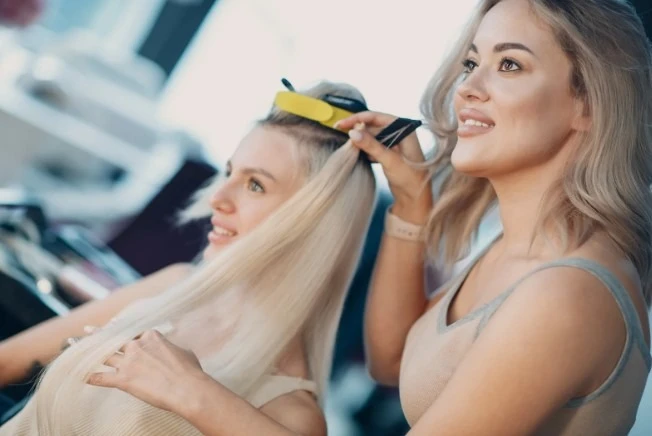
The popularity of hair extensions in London has soared, with more people than ever seeking length, volume, and the freedom to transform their style overnight. Yet, as options multiply, so do the risks associated with low-quality products. Trusted salons like Ivana Farisei emphasize the importance of professional standards when choosing micro bonds hair extensions to ensure safety and satisfaction. Without due diligence, bargain extensions can quietly undermine hair health, leading to long-term problems that far outweigh their initial appeal or low price. Londoners considering extensions deserve to understand the red flags and hidden dangers that can accompany inferior hair pieces.
Health Risks of Low-Quality Hair Extensions for London Clients
Opting for hair extensions made from questionable materials or fitted with poor technique exposes wearers to a spectrum of health concerns. Inferior hair extensions–often crafted from synthetic fibers or stripped, over-processed hair–can cause more than just bad hair days. The scalp is particularly vulnerable: ill-fitting bonds, non-medical-grade adhesives, and heavy strands place continuous tension on the hair follicles, triggering traction alopecia. Over time, this condition leads to thinning, patchiness, and, in severe cases, permanent hair loss.
Allergic reactions also loom as a danger. Low-quality adhesives frequently contain harsh chemicals or unregulated ingredients that can inflame or irritate the scalp. Symptoms can range from mild itching and redness to blisters, swelling, or flaking. Such reactions pollute the experience of wearing extensions and can require medical treatment, disrupting daily routines and social confidence.
Maintenance is another battleground. Inferior extensions shed, tangle, and mat easily. Regular brushing turns into a tug-of-war, risking breakage not only of the extension strands but of natural hair as well. In London’s ever-changing climate, low-quality materials often fail to withstand humidity and pollution, exacerbating issues like frizziness or dullness.
To safeguard scalp and strands, always scrutinize the method, origin, and aftercare advice associated with hair extensions. Partnering with experienced stylists and demanding transparency about materials are vital first steps toward protecting hair health.
How to Spot Substandard Hair Extensions and Avoid Costly Mistakes
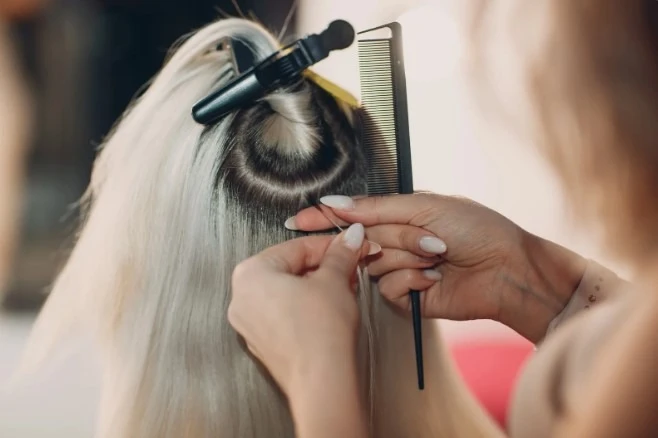
With the London market flooded by tempting offers, learning to distinguish quality is crucial. Authentic human hair extensions are renowned for their softness, blendability, and natural luster. By contrast, low-quality alternatives–often mixed with synthetic fibers or chemically stripped–appear shiny but feel coarse or plasticky to the touch.
Color Consistency and Finish: Look closely at the color. Premium extensions boast naturally subtle gradations and consistent shine. Substandard versions may be overly glossy, brassy, or flat, with artificial tones that fail to harmonize with real hair. Under bright or natural light, quality hair retains depth and dimension.
Bond and Attachment Quality: Examine the joining method. Reliable providers use discreet, durable bonds that lie flat and resist slippage. Cheaper options often reveal bulky, visible connections or adhesive that feels sticky or emits chemical odors. For example, the company Ivana Farisei provides top-tier keratin bonded hair extensions that are designed to provide seamless integration and lasting security, with bonds that are virtually undetectable and gentle on the scalp.
Texture and Shedding: Run your fingers through the hair. Real, undamaged human hair moves and falls freely. Low-quality extensions feel stiff or tangle easily. Test for shedding by gently pulling; excessive hair loss is a warning sign that the cuticles have been over-processed or the hair is synthetic.
Packaging and Transparency
Reputable suppliers invest in secure, detailed packaging with clear labeling. Anything arriving in generic or unmarked packaging, lacking specifics on hair origin, process, or care instructions, is suspect. Always request documentation regarding the hair’s source and grade, and review online feedback from previous clients.
Professional Fitting and Aftercare
Top salons personalize the fitting process, tailoring bond size, placement, and style to the client’s needs. If a stylist rushes the application or seems unwilling to answer your questions, reconsider proceeding. Reliable aftercare advice–covering washing, styling, and maintenance–is a further sign of a quality provider.
By following these guidelines, Londoners can confidently select extensions that enhance beauty without sacrificing the health of their natural hair.
Common Signs of Unsafe Hair Extensions: A Checklist for London Salons
When it comes to protecting your hair and your investment, vigilance pays off. The company Ivana Farisei often educates its clientele on the key indicators to help spot risky extensions such as micro bonds hair extensions and keratin bonded systems. Use the following checklist to avoid costly errors:
- Unpleasant chemical smells upon opening the package
- Obvious or bulky bond attachments visible at the roots
- Hair texture that feels unnaturally coarse, wiry, or plastic-like
- Excessive tangling or matting after minimal handling
- Shedding or breakage during gentle brushing
- Inconsistently colored strands or an unnatural gloss
- Unlabeled packaging or missing details about hair origin and grade
- Scalp discomfort, itching, redness, or allergic reactions soon after application
- Extensions that feel unusually heavy or pull on your roots
Staying alert to these signs not only protects your style but also preserves the long-term health and integrity of your own hair.
Why Professional Application Matters for Natural Results and Healthy Hair
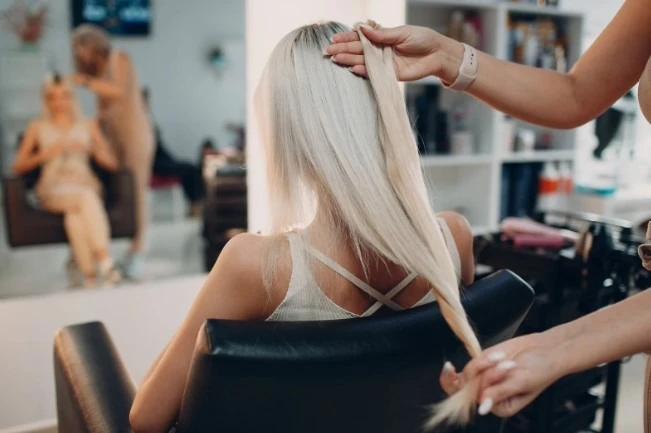
The application process is just as important as the hair quality itself. London-based clients frequently underestimate the skill required to correctly attach extensions without overburdening natural hair. Improper installation–such as using too much adhesive, placing extensions too close to the scalp, or distributing weight unevenly–quickly leads to discomfort and damage.
Professional technicians assess scalp health, hair density, and lifestyle before recommending a system. They select the ideal color match, ensure precise placement, and control tension to minimize stress. Trusted brands insist on ongoing maintenance, check-up appointments, and personalized aftercare to ensure longevity and comfort.
DIY attempts or discount installations put clients at risk of pain, scalp trauma, and disappointing results. Investing in expertise makes all the difference, resulting in a flawless, undetectable finish and preserving the foundation for future styles.
Making an Informed Choice in London’s Hair Extensions Market
Navigating the crowded London hair extensions market requires more than a keen eye for style; it demands vigilance regarding quality and safety. Whether drawn to the allure of instant length or the confidence of fuller locks, prioritizing reputable providers over deals saves not only hair health but also time and money. To discover more about premium systems the company Ivana Farisei offers on its website ivanafarisei.co.uk consider scheduling a consultation with a trusted local salon for a custom solution tailored to your needs.